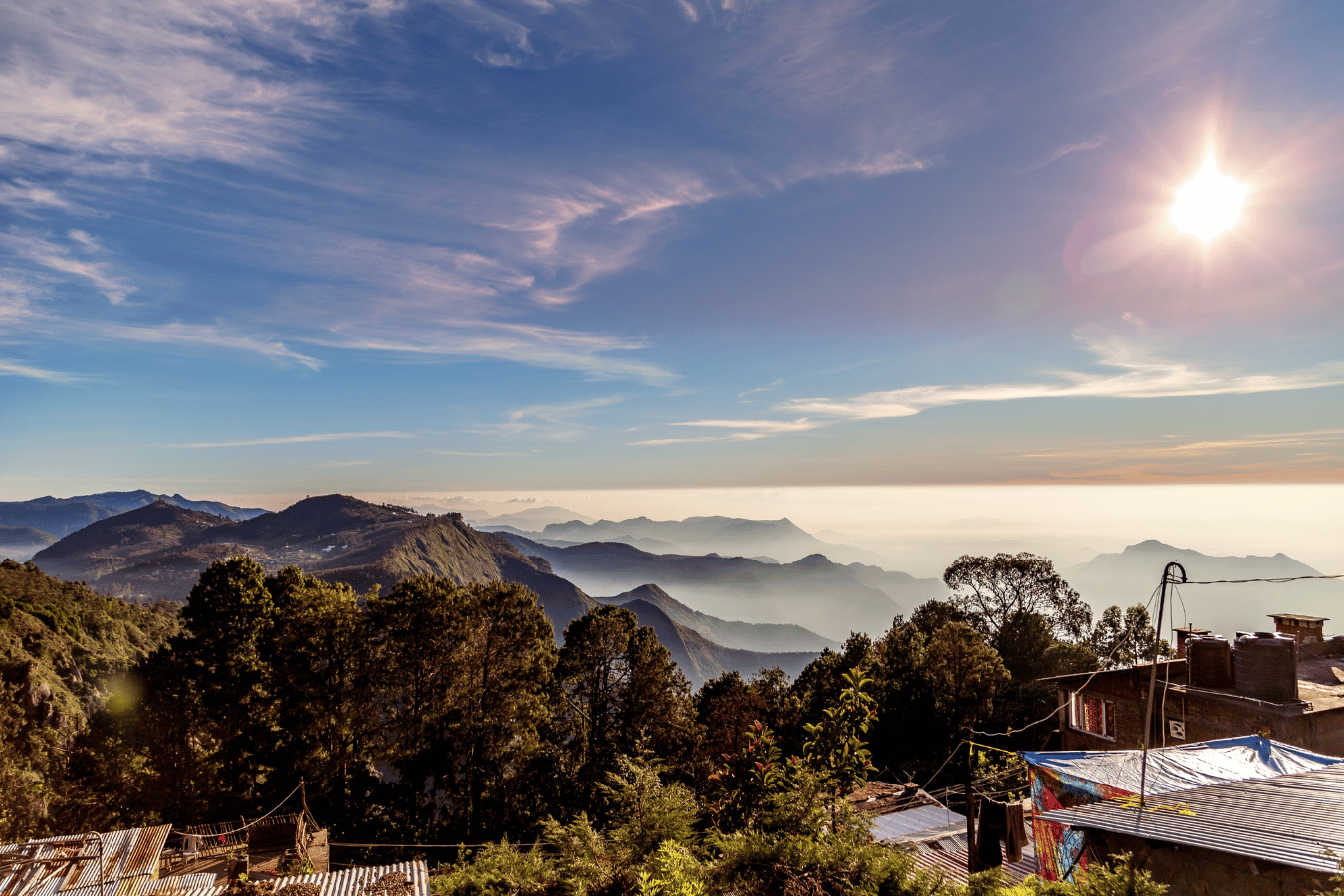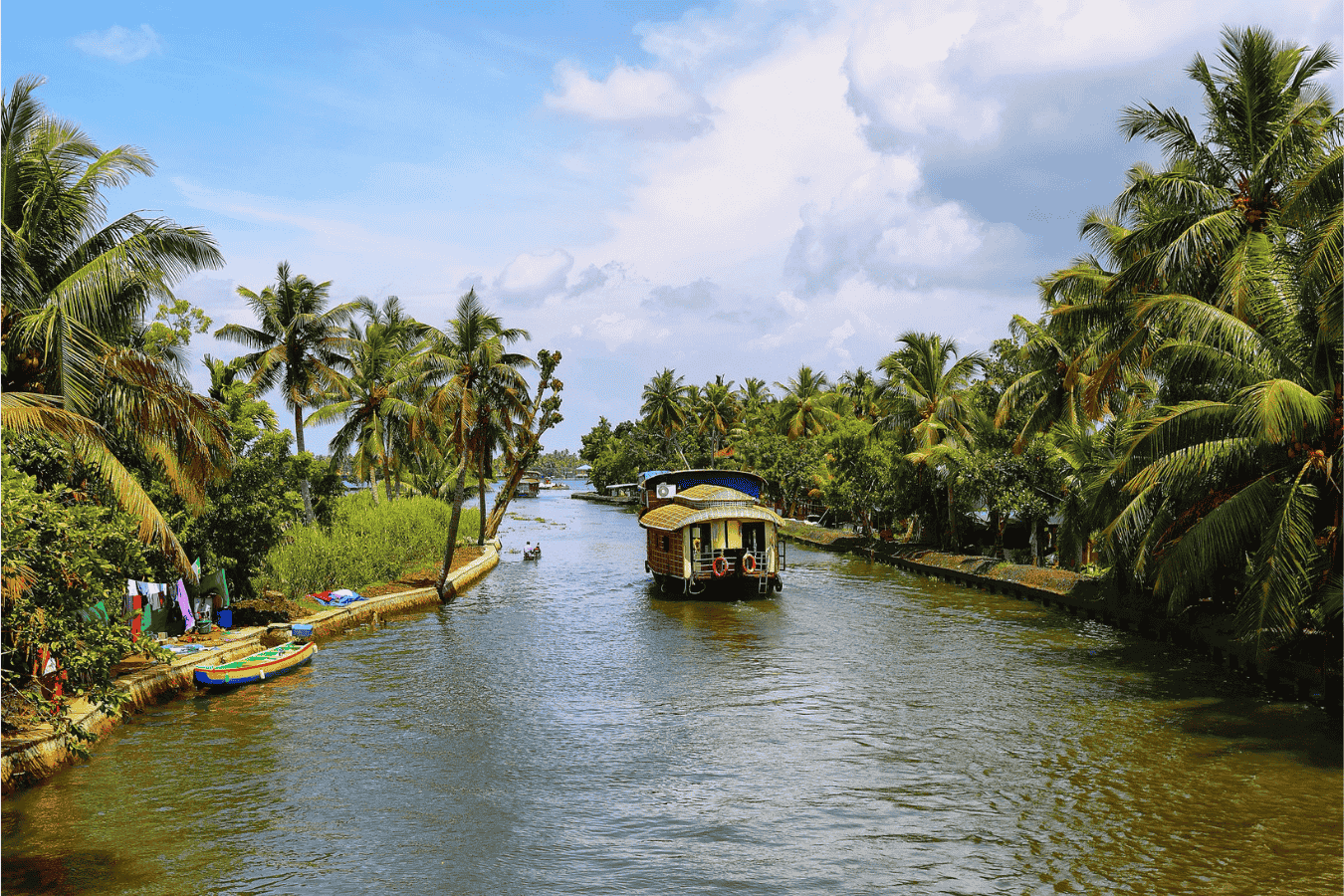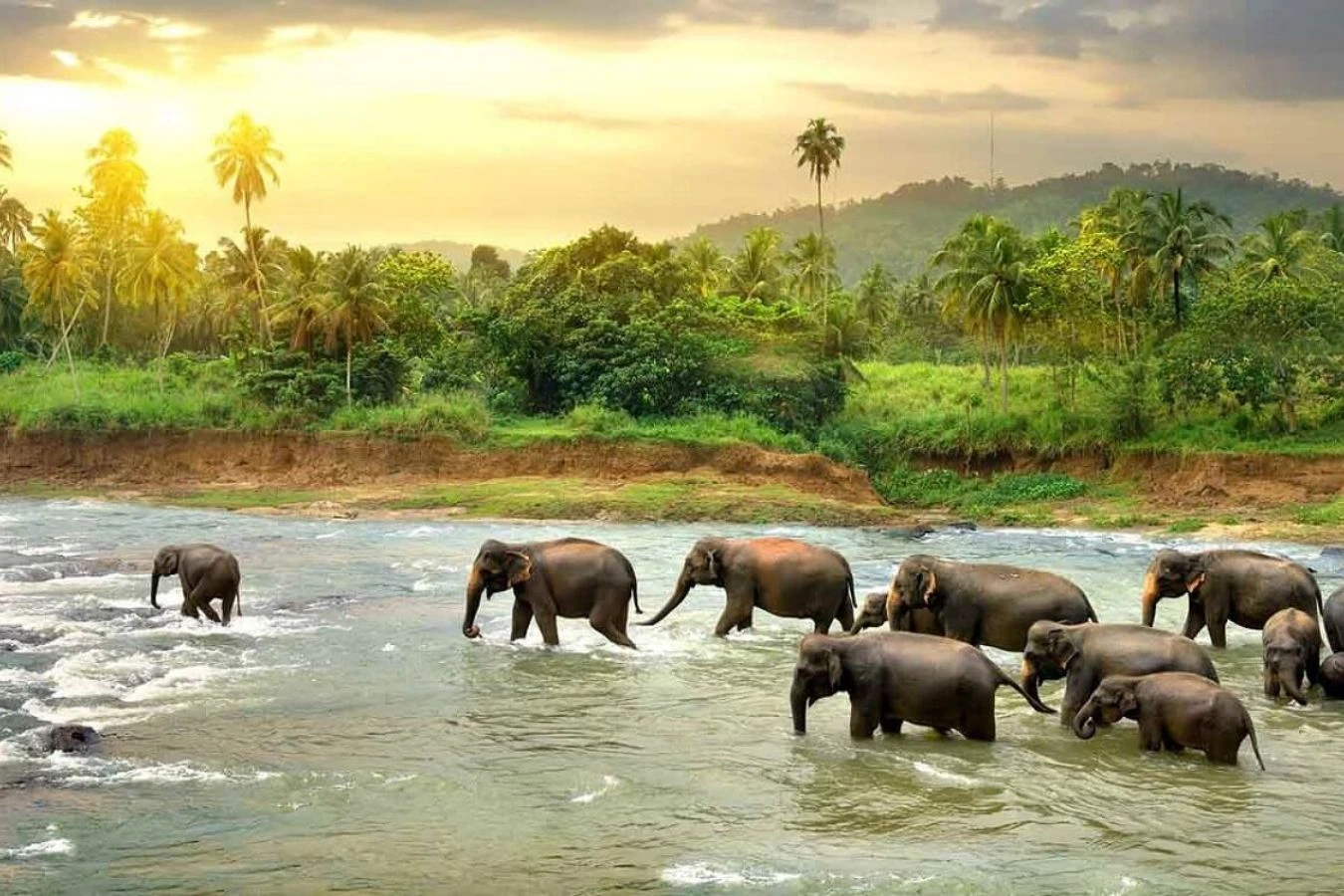
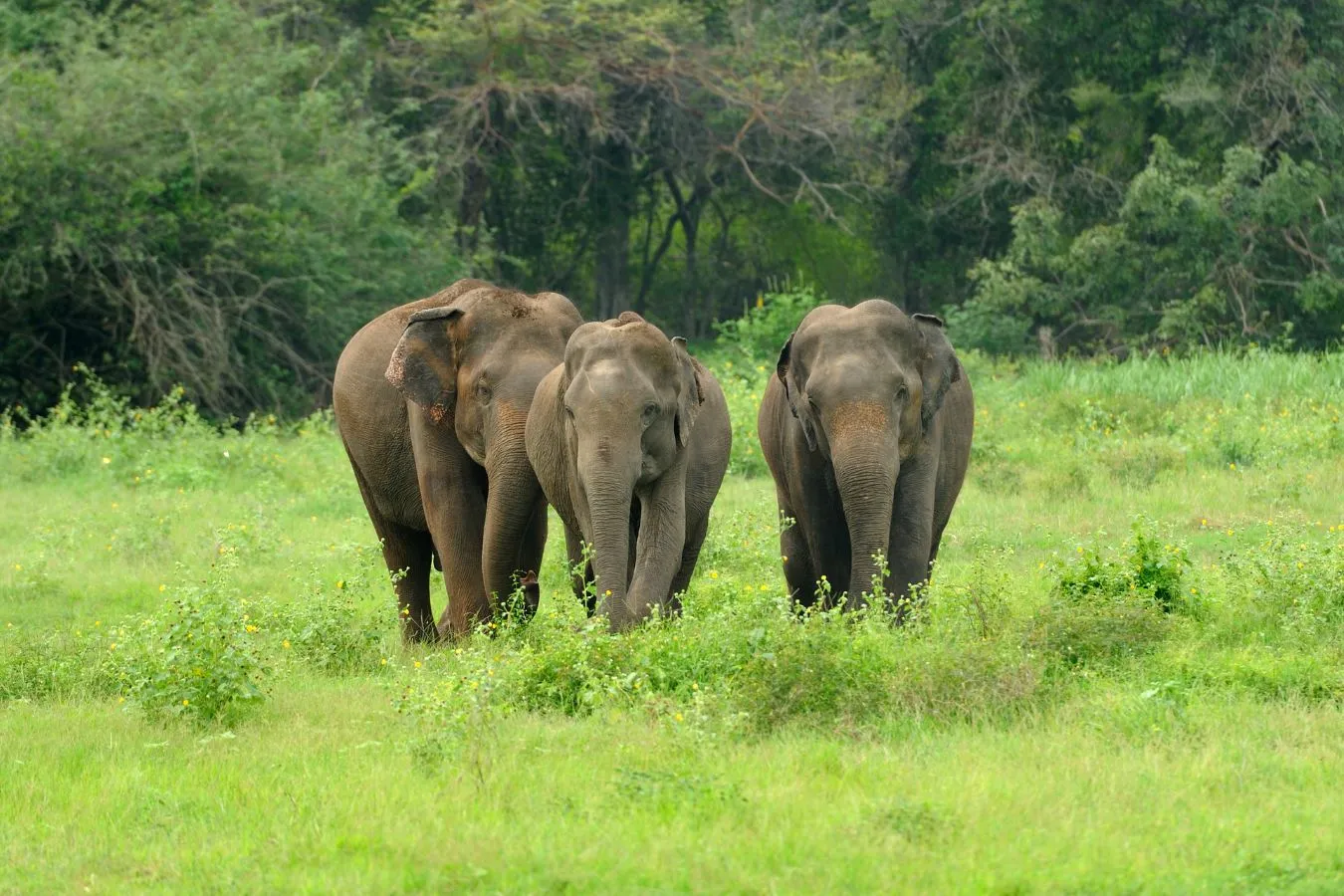
Tholpetty Wildlife Sanctuary is a protected forest region and a major ecotourism destination in Wayanad, Kerala. Forming the northern section of the Wayanad Wildlife Sanctuary, it is part of the Nilgiri Biosphere Reserve—a UNESCO World Heritage Site. Located near the Kerala–Karnataka border and just 20 km from Mananthavady, Tholpetty is easily accessible via the Coorg road, making it a popular haven for nature lovers, wildlife photographers, and adventure travelers.
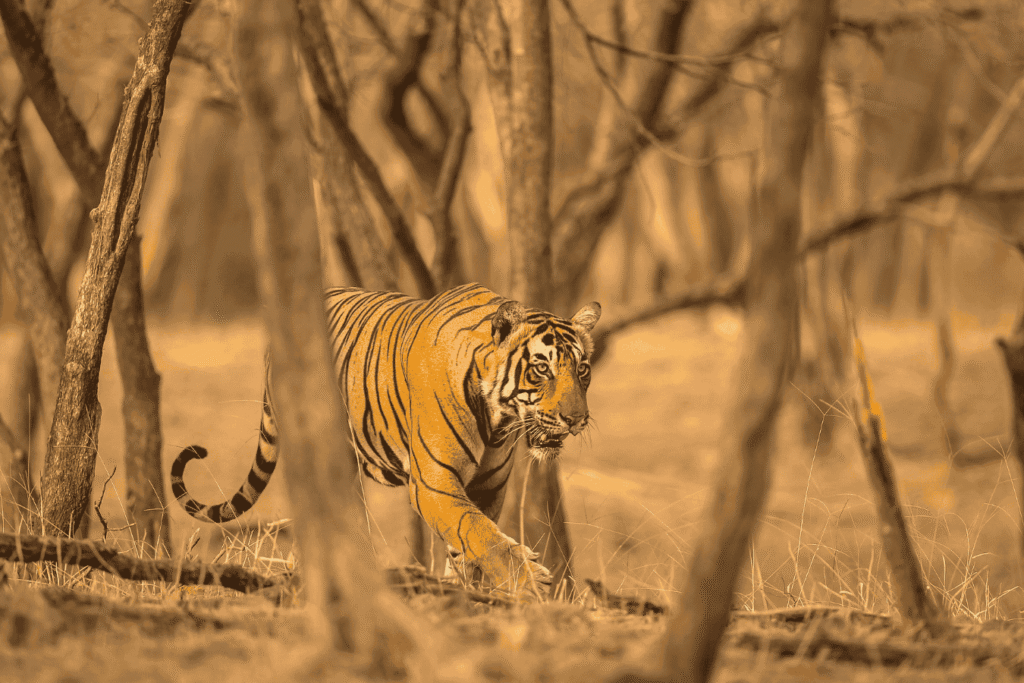
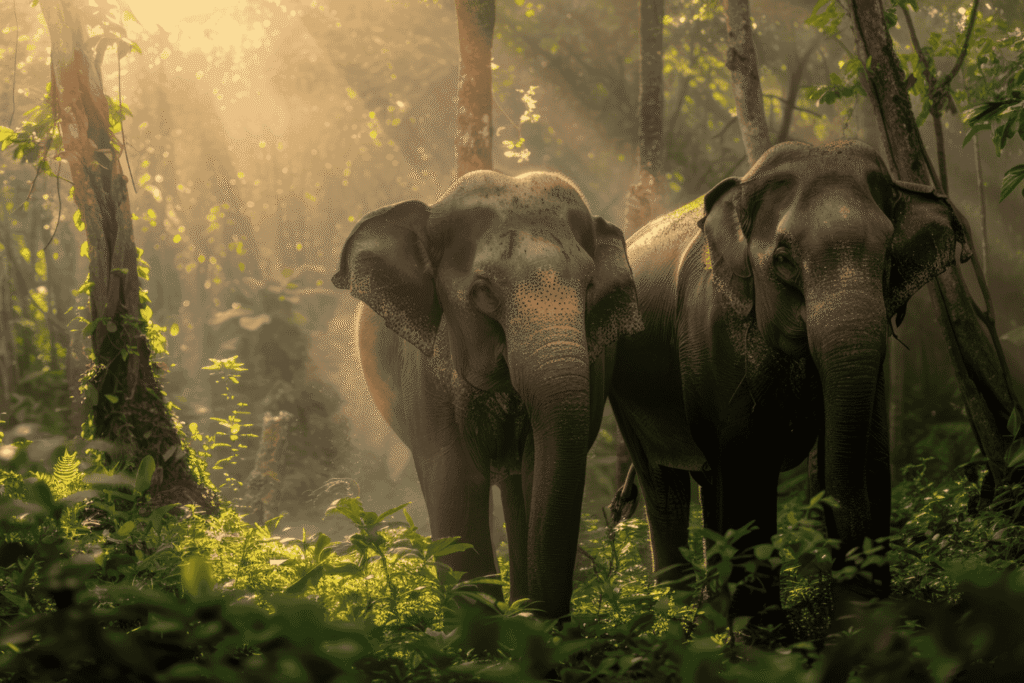
Tholpetty stands out as a vital ecological corridor in Kerala’s natural landscape. It plays a major role in conserving wildlife, especially large mammals like elephants, and forms a crucial habitat within the 1,600-km-long Western Ghats, known for their rare species and unique forest ecosystems.
What makes Tholpetty even more significant is its seamless connectivity with major protected areas such as Nagarhole, Bandipur, and Mudumalai Tiger Reserves, forming part of the expansive 2,184 sq km Nilgiri Biosphere Reserve. This connected forest landscape allows wildlife—especially elephants—to move freely across regions, maintain genetic diversity, and thrive in a safe, protected environment.
By supporting wildlife movement and safeguarding threatened species, Tholpetty Wildlife Sanctuary acts as a strong natural shield against biodiversity loss in one of the world’s most endangered ecological hotspots.
1. Tholpetty Wildlife Sanctuary habitat and wildlife
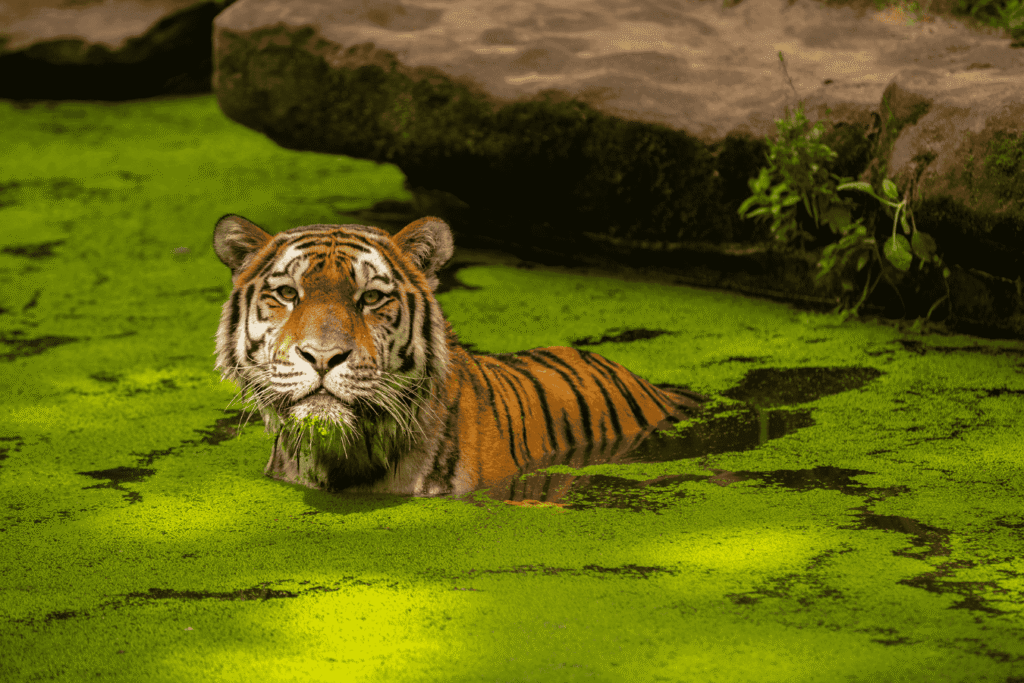
Mammals: Common sightings include elephants (herds), gaurs (Indian bison), spotted deer, sambar deer, wild boars, monkeys, langurs, Malabar giant squirrels, sloth bears, and occasionally predators such as tigers, leopards, and wild dogs (dholes).
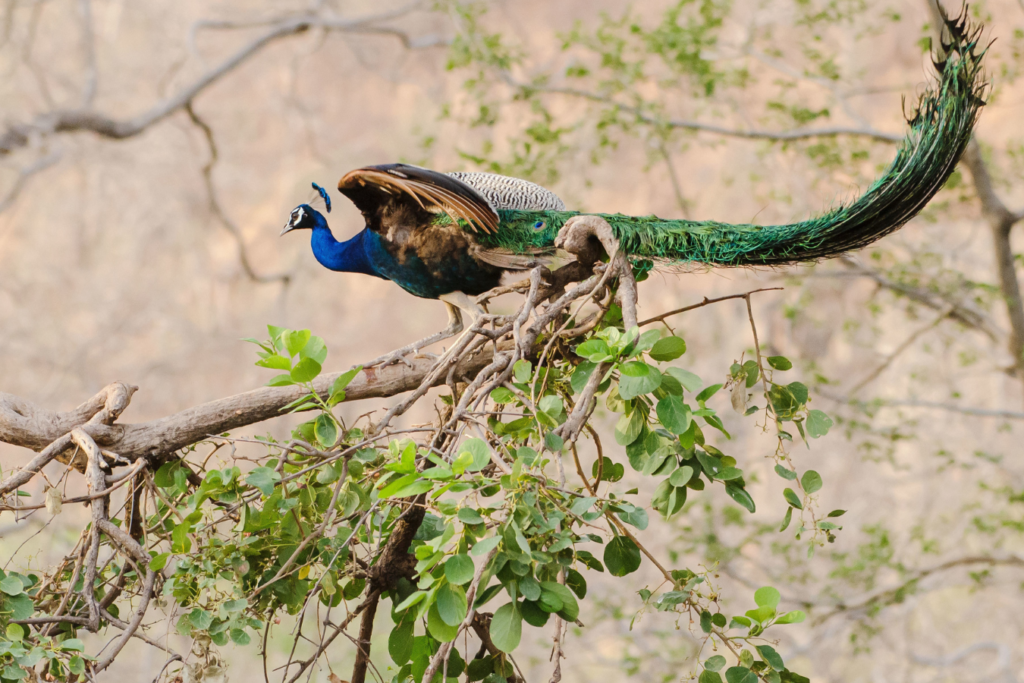
- Avian Life: A birdwatcher’s paradise with over 200 species, including the Malabar grey hornbill, crested serpent eagle, peafowl, and various woodpeckers and kingfishers.
- Reptiles, Fish, and Butterflies: The sanctuary’s rich biodiversity extends to numerous species of reptiles, fish, and butterflies.
- Major Attraction: A lake within the sanctuary is a key vantage point where many animals, especially during the dry season, come to drink water.
2. Tholpetty Wildlife Sanctuary Activities & Wildlife
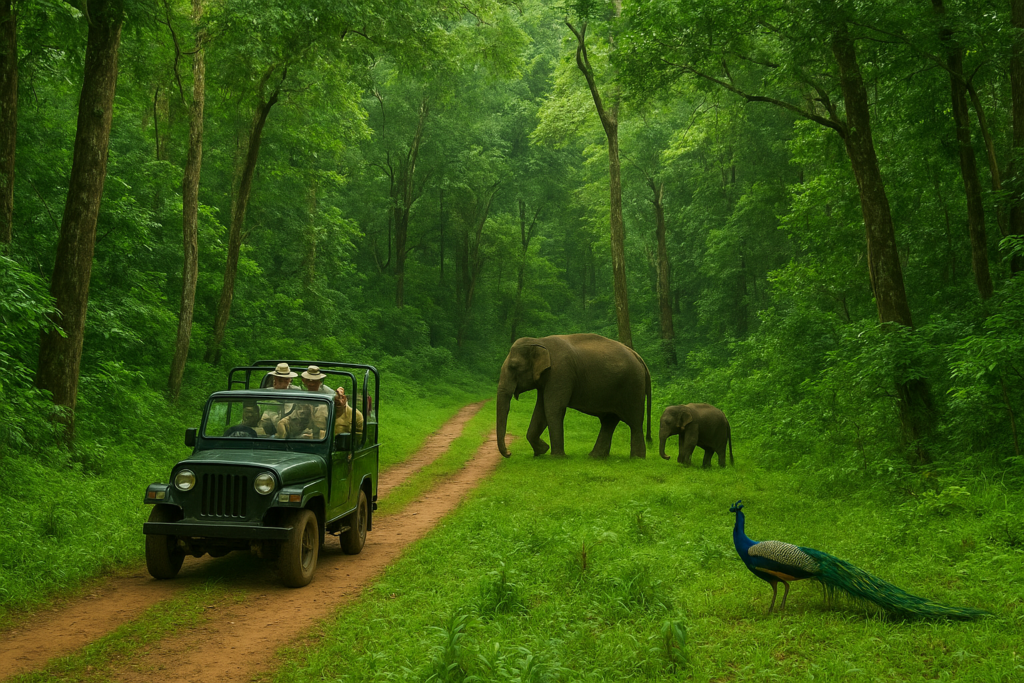
- Guided Jeep Safaris: This is the primary way to explore the sanctuary. Safaris last approximately 1.5-2 hours, covering a fixed route in a jeep provided by the Forest Department. It is highly recommended to arrive early, especially on weekends and holidays, as there are limited daily trips.
- Wildlife Spotting: The sanctuary is home to a variety of animals and birds. Common sightings include elephants, spotted deer, sambar deer, gaurs (Indian bison), monkeys, wild boars, and various bird species. If you are lucky, you might also spot tigers, leopards, or sloth bears. A lake where animals come to drink water is a major attraction.
- Trekking and Nature Walks: Guided treks and nature walks are also available for a more immersive experience with the region’s diverse flora and avifauna.
- Accommodation: The forest department manages eco-friendly accommodation options nearby, including a historical colonial-era log house called Cerambi, which can be booked by visitors.
- Visitor Amenities: Basic amenities like public restrooms are available at the ecotourism center.
3. Tholpetty Wildlife Sanctuary Timings
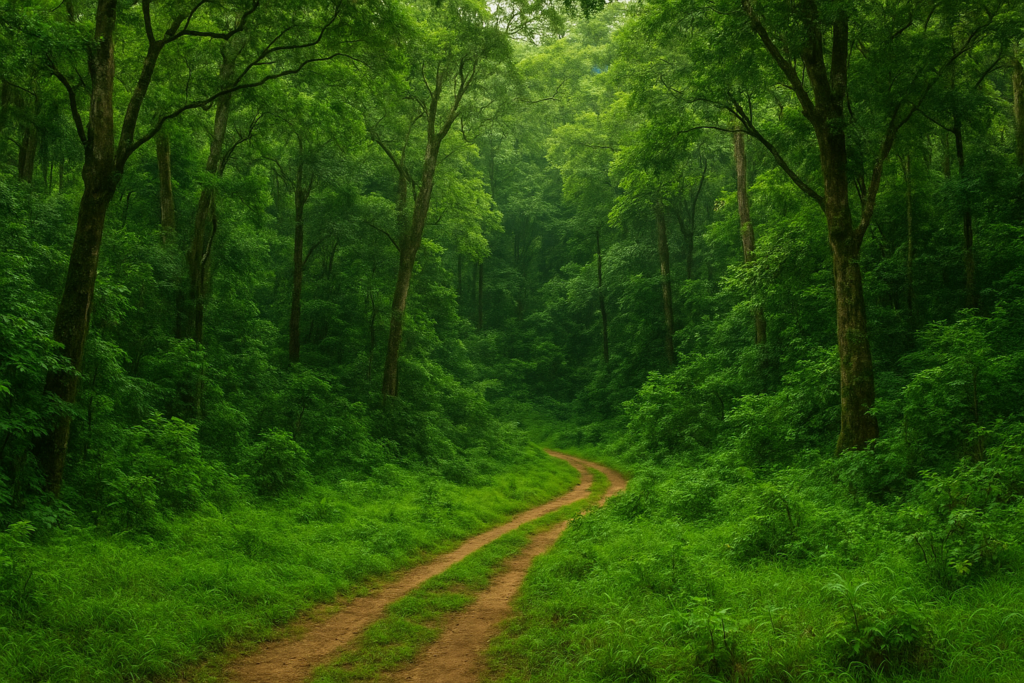
- Operating Hours: The sanctuary is open daily in two shifts for safaris:
- Morning: 7:00 AM to 10:00 AM
- Evening: 3:00 PM to 5:00 PM (some sources mention up to 6:00 PM, confirm locally)
- Contact Phone Numbers: +91 79075 43321, +91 99462 50853, or +91 4935 250853.
- Best Time to Visit: The ideal time to visit is from October to May, as animal sightings are more frequent during the dry season (especially November to March). The sanctuary might be closed during the monsoon season (June to September).
- Accessibility: Visitor movement is generally restricted to the outer tourist zone to aid conservation efforts and ensure visitor safety.
4. Tholpetty Wildlife Sanctuary Entry Fee
- Entry Fee (per person):
- Indian Adult: Approx. Rs. 150
- Foreign Adult: Approx. Rs. 360
- Jeep Safari Fee:
- Approx. Rs. 2,100 for a jeep carrying up to 4 people, with additional charges per extra person up to 6 people.
- Note: It’s a per-vehicle charge, not per person, for the jeep itself.
- Payment: The sanctuary accepts NFC mobile payments; it is not cash-only.
5. Tholpetty Wildlife Sanctuary Travel Tips
- Wear muted or dull-coloured clothes to blend in better with the natural surroundings.
- Carry binoculars for a better wildlife viewing experience.
- Always follow the instructions of your guide and never get off your vehicle during the safari.
- Consider booking accommodation or a stay nearby, such as at a local eco-lodge or resort, to ensure you can reach the morning safari on time.
- Online booking might be an option through the Kerala Ecotourism website, which is advisable to secure a spot.
6. Tholpetty Wildlife Sanctuary Safari Package
Tholpetty Wildlife Sanctuary is one of Wayanad’s most scenic and wildlife-rich regions, known for its dense forests, open grasslands, and diverse animal life. Located near the Kerala–Karnataka border, it offers visitors an authentic forest experience with chances to spot elephants, deer, bison, and a variety of birds. For a seamless and well-planned visit, you can book a customized travel package with Travelbug India, operated by tour expert Pratheesh Thomas. For inquiries or bookings, contact mail@travelbugindia.com or call +91 99625 79919.
Conclusion
Tholpetty Wildlife Sanctuary is not just a destination—it is a living treasure of the Western Ghats, offering an unforgettable blend of wilderness, biodiversity, and raw natural beauty. From its role as a vital ecological corridor to its rich wildlife sightings and immersive safari experiences, Tholpetty remains one of Kerala’s finest gateways to nature. Whether you are drawn by the charm of elephants, the thrill of spotting rare predators, or simply the serenity of untouched forests, this sanctuary promises a truly enriching journey.
For travellers who wish to experience Tholpetty at its best, TravelBug India, led by expert tour operator Pratheesh Thomas, provides well-planned, hassle-free, and customised wildlife experiences. With deep local knowledge and a commitment to responsible tourism, TravelBug India ensures that every visitor explores Tholpetty safely, comfortably, and with the utmost respect for its fragile ecosystem.
For bookings or enquiries, you may contact +91 99625 79919 or email mail@travelbugindia.com
With the right guidance and planning, your visit to Tholpetty Wildlife Sanctuary can become an inspiring encounter with nature—one that stays with you long after your journey ends.
FAQ—Tholpetty Wildlife Sanctuary
1. Where is Tholpetty Wildlife Sanctuary located?
Tholpetty Wildlife Sanctuary is located in the Wayanad district of Kerala, about 20 km from Mananthavady on the Kodagu (Coorg) road.
2. What is Tholpetty Wildlife Sanctuary famous for?
It is renowned for its rich wildlife, especially elephants, gaurs, deer, and diverse bird species. The sanctuary is also part of an important ecological corridor connecting major tiger reserves in South India.
3. Who can help me plan my trip to Tholpetty?
TravelBug India, led by tour operator Pratheesh Thomas, provides tailored travel assistance, safari arrangements, and complete Wayanad wildlife tour packages.
For enquiries, contact +91 99625 79919 or mail@travelbugindia.com.
4. How long does the jeep safari last?
A typical jeep safari lasts 1.5 to 2 hours, covering designated forest routes.
5. Do I need to book the safari in advance?
It is recommended to book early, especially during weekends and holidays. Online booking may be available through the Kerala Ecotourism website.
6. What kind of animals can I see?
Common sightings include elephants, spotted deer, sambar deer, gaurs, monkeys, wild boars, and a wide range of birds. Rare sightings include tigers, leopards, sloth bears, and dholes (wild dogs).
7. Are trekking or nature walks allowed?
Yes. Guided trekking and nature walks are available for visitors seeking an immersive forest experience.